
 David L. Hoffmann BSc Hons MNIMH
Rosmarinus officinalis Habitat: Native to the Mediterranean region, cultivated widelyelsewhere. Collection: The leaves may be gathered throughout the summer but are attheir best during flowering time. Part Used: Leaves and twigs. Constituents: *...
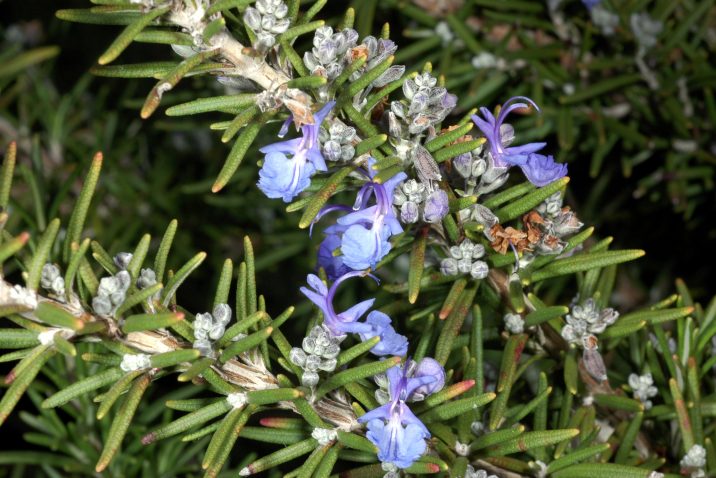
Rosmarinus officinalis Habitat: Native to the Mediterranean region, cultivated widelyelsewhere. Collection: The leaves may be gathered throughout the summer but are attheir best during flowering time. Part Used: Leaves and twigs. Constituents: *...

Valeriana officinalis Part used: Rhizome, stolons & roots. Constituents: A range of unique chemical constituents have been found, but as with all herbal remedies it is a mistake to try to understand the plant from these chemicals alone. The...

Rubus idaeus Rosaceae Habitat: Cultivated in most temperate countries. Collection: The leaves may be collected throughout the growing season.Dry slowly in a well-ventilated area to ensure proper preservation ofproperties. Part Used: Leaves and fruit...

Dioscorea villosa Part Used: Dried underground parts. Constituents: Steroidal saponins, based on diosgenin: dioscin, dioscorin, and others. Actions: Anti-spasmodic, anti-inflammatory, anti-rheumatic, hepatic, cholagogue, diaphoretic. Indications:...
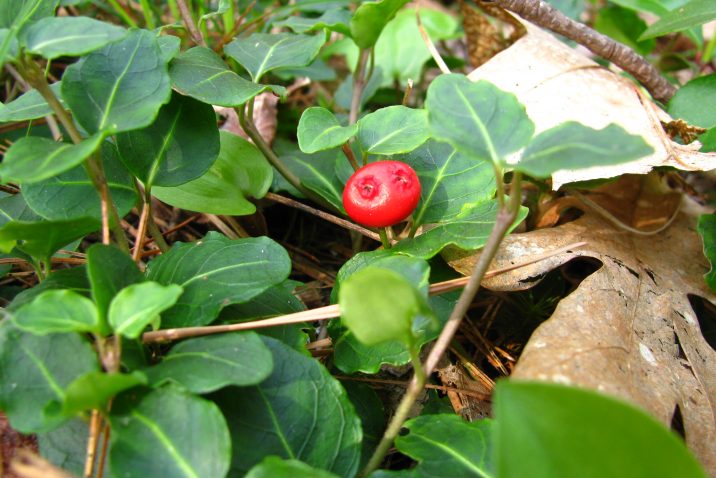
Mitchella repens Rubiaceae Names: Squaw Vine. Habitat: N. America. Collection: Being an evergreen herb, it may be found all year round inthe forest and woodland habitat it likes. It is best collected in flowerbetween April and June. Part Used:...

Anemone pulsatilla Ranunculaceae Names: Pulsatilla, Wind Flower, Meadow Anemone. Habitat: Europe and parts of Russia, cultivated elsewhere. Collection: The stalks should be gathered at the time of floweringwhich is in March or April.. Part Used:...

Passiflora incarnata Part Used: Leaves and whole plant. Constituents: Alkaloids; harmine, harman, harmol, harmaline, harmalol, and passaflorine. Flavonoids; apigenin and various glycosides, homoorientin, isovitexin,kaempferol, luteolin, orientin...

Parietaria diffusa Urticaceae Habitat: Native to Europe, including Britain. Collection: The parts above ground are collected between June andSeptember. Part Used: Aerial parts. Constituents: * Flavonoids; 3-glucosides & 3-rhamnosides...

Mentha piperita Part Used: Aerial parts. Constituents: The whole complex of primary plant constituents and acharacteristic array of secondary plant constituents are present.Pharmacologically important constituents include an essential oil...

Vinca major Apocynaceae Names: Greater Periwinkle Habitat: Indigenous to Southern Europe Collection: This herb is collected in the spring. Part Used: Aerial parts. Constituents: Indole alkaloids, tannins Actions: Astringent Indications: Periwinkle...

