
 David L. Hoffmann BSc Hons MNIMH
Artemisia absinthum Compositae Habitat: Native to Europe, N. Africa and Western Asia, cultivated in the USA and elsewhere. Collection: The leaves and flowering tops are gathered at the end of the flowering period between July and September. Part...

Artemisia absinthum Compositae Habitat: Native to Europe, N. Africa and Western Asia, cultivated in the USA and elsewhere. Collection: The leaves and flowering tops are gathered at the end of the flowering period between July and September. Part...

Valeriana officinalis Part used: Rhizome, stolons & roots. Constituents: A range of unique chemical constituents have been found, but as with all herbal remedies it is a mistake to try to understand the plant from these chemicals alone. The...

Humulus lupulus Part Used: Flower inflorescence. Constituents: Volatile oil, composed mainly of humulene (= x-caryophyllene), with b-caryophyllene, myrcene, farnesene, 2-methylbut -3-ene-2-ol, 3-methylbut-2-ene-l-al, 2, 3, 5-trithiahexane and...
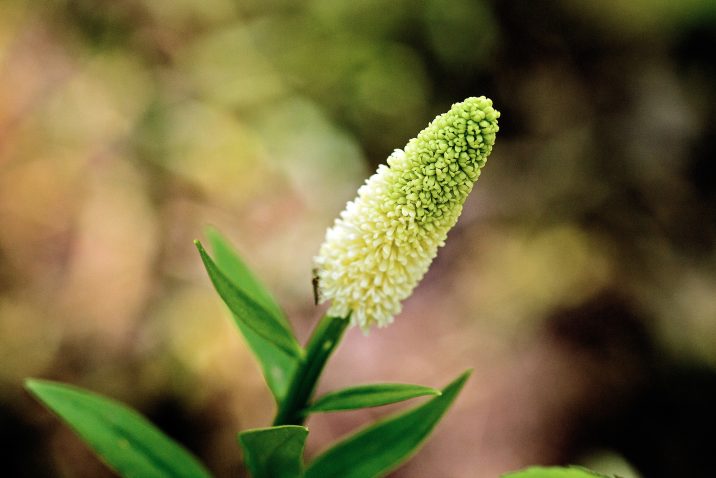
Chamaelirium luteum Liliaceae Names: Starwort, Helonias Root. Habitat: USA Collection: The underground parts are unearthed in the autumn. Part Used: Dried rhizome and root. Constituents: Saponins; the glycosides chamaelirin and helonin, basedon...
If you’re about to reach for that bottle of antacids after the Christmas blow-out - think again. New research suggests that the world’s most popular drugs, used for heartburn and indigestion, can double the risk of pneumonia.
Frequent reflux, heartburn and indigestion could be signs of a more serious, underlying problem such as leaky gut, parasites or fermentation in the gut, perhaps due to an overgrowth of Candida albicans. An over-the-counter antacid will only suppress...

Do you think your problem is too much stomach acid? If you still think your problem is too much acid, keep this in mind. The older people get the more likely they are to use antacids. This is interesting as stomach acid production decreases...
The "yeast" problem with Candida albicans is one of the new medical concerns of the 1980s that will continue into the next century. It has been described by many prominent physicians, including C. Orian Truss in The Missing Diagnosis, William Crook...
This is a vague and variable problem that is functional in nature and usually not due to an underlying structural cause. Belching, distension and borborygmus often occur associated with abdominal or epigastric pain. There is often an overt...
Childhood Indigestion ;In addition to the information given for functional dysp


 What Doctors Don't Tell You
 Dr Jacob Teitelbaum MD
 Elson M. Haas MD