
 David L. Hoffmann BSc Hons MNIMH
Echinacea spp. Compositeae Names: Purple Coneflower Habitat: Throughout North American prairies, plains, and open woodlands. Part Used: The root. Constituents: Echinacoside, in E. angustifolia but not E. purpurea.Research suggests that the...

Echinacea spp. Compositeae Names: Purple Coneflower Habitat: Throughout North American prairies, plains, and open woodlands. Part Used: The root. Constituents: Echinacoside, in E. angustifolia but not E. purpurea.Research suggests that the...

Sambucus nigra Caprifoliaceae Names: Black Elder, European Elder. Habitat: Europe and the British Isles, commonly growing in hedges. Collection: The flowers are collected in spring and early summer and dried as rapidly as possible in the shade. The...

Inula helenium Compositae Names: Yellow Starwort Habitat: Indigenous to Europe and temperate Asia, naturalized in the USA, and cultivated widely in Europe and also China. Collection: The rhizome should be unearthed between September and October. The...

Eucalyptus globulus Myrtaceae Names: Blue Gum. Habitat: Victoria and Tasmania in Australia, cultivated in USA and Southern Europe etc. Collection: Part Used: Leaves, and the oil distilled from them. Constituents: Volatile oil, the major component of...

Gentiana lutea Part Used: The dried rhizome and root. Constituents: The whole complex of primary plant constituents and a characteristic array of secondary plant constituents are present. Pharmacologically important constituents include iridoids...

Alchemilla vulgaris Part Used: The leaves and flowering shoots. Constituents: Tannins, consisting mainly of glycosides of ellagic acid. Salicylic acid, a trace. Actions: Astringent, diuretic, anti-inflammatory, emmenagogue, vulnerary. Indications:...

Euphrasia officinalis Scrophulariaceae Names: Habitat: Meadows and grassy places in Britain and Europe. Collection: Gather the whole plant whilst in bloom in late summer and dry it in an airy place. Part Used: Dried aerial parts. Constituents:...

Trigonella foenum-graecum Papilionaceae Names: Foenugreek Habitat: North Africa, India, cultivated worldwide. Part Used: Seeds. Constituents: Volatile oil, containing3-hydroxy-4, 5-dimethyl-2-furanone, dihydrobenzofuran, dihydroactinidiolide...
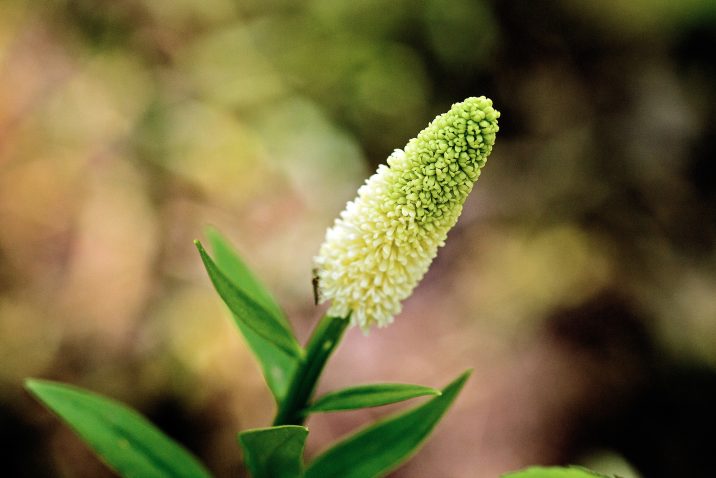
Chamaelirium luteum Liliaceae Names: Starwort, Helonias Root. Habitat: USA Collection: The underground parts are unearthed in the autumn. Part Used: Dried rhizome and root. Constituents: Saponins; the glycosides chamaelirin and helonin, basedon...

Scrophularia nodosa Scrophulariaceae Names: Rosenoble, Throatwort, Carpenter’s Square, Scrofula Plant. Habitat: A European and British wild plant. Collection: The stalks and leaves are gathered during flowering betweenJune and August. Part...

