
 Kathi Keville
This plant native to Asia and cultivated in many locales produces an essential oil that is strongly mucolytic. It is best dispensed from a diffuser for respiratory problems. Family: Asteraceae (Compositae) Extraction: Distilled from the root...

This plant native to Asia and cultivated in many locales produces an essential oil that is strongly mucolytic. It is best dispensed from a diffuser for respiratory problems. Family: Asteraceae (Compositae) Extraction: Distilled from the root...

Probably an Iranian native, jasmine has captured the imagination for centuries. Forty-three different species are grown in East India, where women dress their hair with it and where it is poetically known as “moonlight of the grove.”...
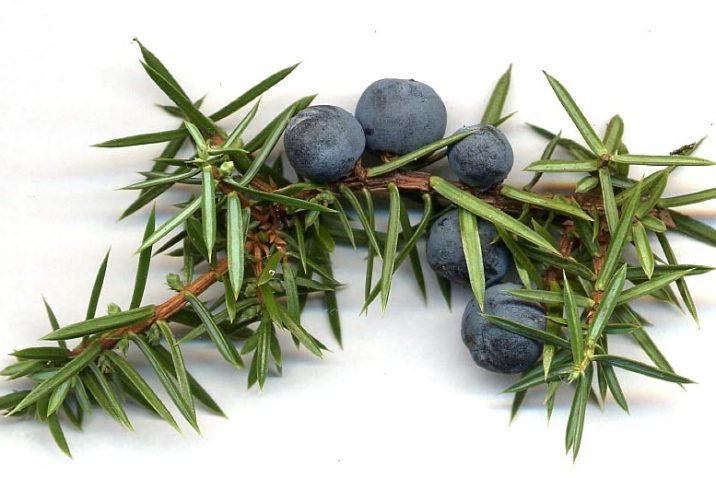
The berries of this North American shrub flavor gin, named after geniŠvre, French for “juniper berry.” Traditionally the fragrance was thought to ward off contagious diseases. Native Americans living in the high deserts of the West still...
Regardless of its reputation as a love potion, the 14th-century nuns of St. Just included coriander in their Carmelite water, a scent and complexion product that remained popular for the next four centuries. Coriander dominated Eau de Carnes...
Native to Spain and Greece, this is the “rockrose” grown in some North American gardens. Possibly the Bible’s onycha and “rose of Sharon” (Song 2:1), it often replaces ambergris. It has long been popular in Spain, which...
Some perfumes use small amounts of cumin, which is native to Egypt and the Mediterranean. The seed is commonly used in Mexican and East Indian foods, and is traditionally used in the ancient Ayurvedic medicine of East India. Family: Apiaceae...
This large European and west Asian plant is common in herb gardens. It tastes like a very strong celery. The herb is often used in treating women’s complaints. Family: Apiaceae (Umbelliferae) Extraction: Distilled from fresh roots, or from...
The landscapes of southern France and Greece are graced with this statuesque evergreen. It has long been associated with death, and even today Egyptians use cypress for coffins, while French and Americans plant it in graveyards. Smoke from the...

A well-loved Mediterranean herb, this English lavender has been associated with cleanliness ever since Romans added it to their washing water. In fact, the word comes from the Latin word lavare (“to wash”) and is the root for the word...

With more than 600 species, eucalyptus offers a variety of scents. The blue-gum variety is the most widely cultivated and produces most of the oil available today. It was introduced at the Paris Exposition in 1867 after the Melbourne, Australia...

