
 David L. Hoffmann BSc Hons MNIMH
Althaea officinalis Part Used: Root and leaf. Constituents: In the root: Mucilage, l8-35% Miscellaneous; about 35% pectin, l-2% asparagine, tannins. In the leaves: Mucilage; including a low molecular weight D-glucan Flavanoids such a kaempferol...
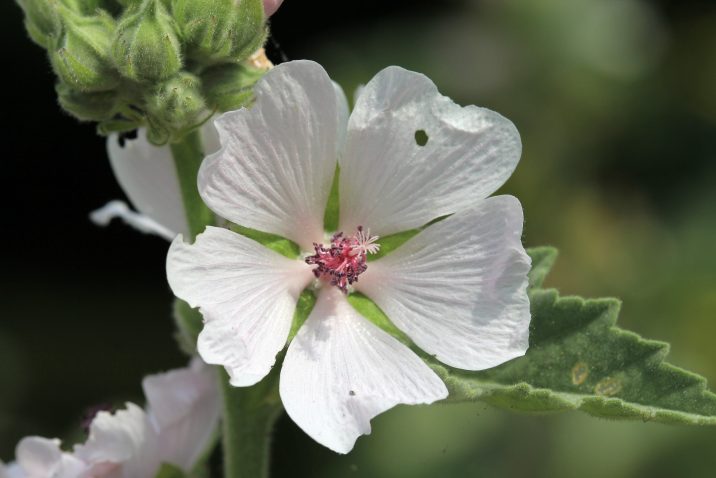
Althaea officinalis Part Used: Root and leaf. Constituents: In the root: Mucilage, l8-35% Miscellaneous; about 35% pectin, l-2% asparagine, tannins. In the leaves: Mucilage; including a low molecular weight D-glucan Flavanoids such a kaempferol...

Filipendula ulmaria Names: Queen-of-the-Meadow, Bridewort. Habitat: A common wild plant in Britain, throughout Europe, parts of Asia and an escape in North America. Collection: The fully opened flowers and leaves are picked at the time of flowering...

Silybum marianum Part Used: The seeds. Constituents: Flavolignans; the mixture of these is known as “silymarin” and composed mainly of silybin (=silibinin), with isosilybin, dihydrosilybin, silydianin, silychristin, and in some varieties...

Cetraria islandica Parmeliaceae Habitat: Grows in most Northern Countries. Part used: The entire plant. It is a lichen. Collection: The lichen may be gathered throughout the year, though between May and September is perhaps best. It should be freed...

Leonurus cardiaca Labiatae Names: Lion’s Tail. Habitat: Throughout Europe and occasionally in Britain. Collection: The stalks should be gathered at the time of flowering, which is between June and September. Part Used: Aerial parts...

Cephaëlis ipecacuanha Rubiaceae Folk names: Ipecac, Rio, Matto Grosso. Habitat: Native to tropical South America, including Brazil, and cultivatedin southern Asia. Part used: Root and rhizome. Collection: The root of this small South American shrub...

Pilosella officinarum Compositae Common name: Hawkweed Habitat: A common British and European plant growing in sandy soil. Part used: Aerial parts. Collection: Mouse Ear should be collected when in flower between May andJune. Constituents:...

Chondrus crispus Rhodophyta Common name: Carragheen, Carrageenan. Habitat: The Atlantic coast of Europe and North America. Part used: The dried thallus. It is a seaweed. Collection: It is collected from rocky coastlines around the North Atlantic...

Artemisia vulgaris Compositae Collection: The leaves and flowering stalks should be gathered just at blossoming time, which is between July and September. Part Used: Leaves or root. Constituents: Volatile oil, containing linlool, l, 8-cineole...

Piscidia erythrina Leguminosae Names: Fish Poison Tree. Habitat: W. Indies and S. America. Collection: The bark is collected in vertical strips from trees growing in the Caribbean, Mexica and Texas. Part Used: Stem bark. Constituents: Isoflavones;...

