
 Kathi Keville
This large European and west Asian plant is common in herb gardens. It tastes like a very strong celery. The herb is often used in treating women’s complaints. Family: Apiaceae (Umbelliferae) Extraction: Distilled from fresh roots, or from...

This large European and west Asian plant is common in herb gardens. It tastes like a very strong celery. The herb is often used in treating women’s complaints. Family: Apiaceae (Umbelliferae) Extraction: Distilled from fresh roots, or from...
The landscapes of southern France and Greece are graced with this statuesque evergreen. It has long been associated with death, and even today Egyptians use cypress for coffins, while French and Americans plant it in graveyards. Smoke from the...

A well-loved Mediterranean herb, this English lavender has been associated with cleanliness ever since Romans added it to their washing water. In fact, the word comes from the Latin word lavare (“to wash”) and is the root for the word...

With more than 600 species, eucalyptus offers a variety of scents. The blue-gum variety is the most widely cultivated and produces most of the oil available today. It was introduced at the Paris Exposition in 1867 after the Melbourne, Australia...
The lemon tree originated in Asia, but is now widely cultivated in Italy, Australia and California. The fragrance is popular in colognes and household cleaning products. The flowers have a pleasant aroma, but only the peel oil is produced...

This North American tree is the common source of Wintergreen oil, with which it shares similar chemistry, properties and fragrance. The formula for the popular 19th-century “Russian Leather” men’s fragrance (so named because it...
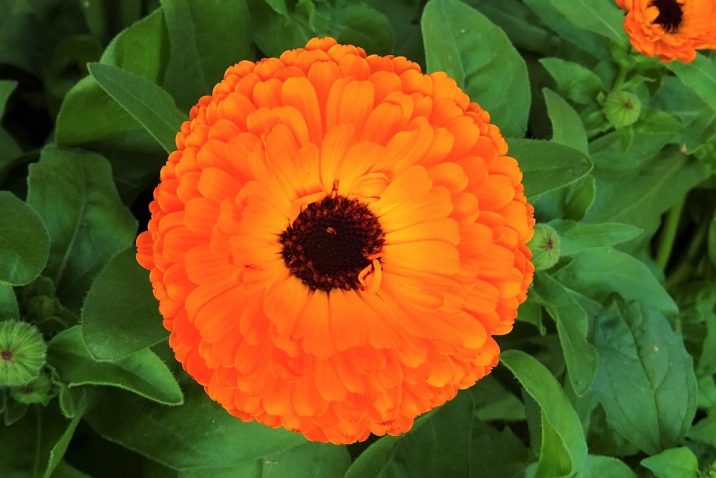
The oil is costly and almost never available commercially, so we plant the colorful flowers in our gardens and infuse them into an herbal oil to use as a base for essential oils. Since two different flowers are called marigold, calendula is often...
Carrot-seed oil is distilled in France for use in perfumes. It comes from wild Queen Anne’s lace, the ancestor of carrot. The carrot oil used in cosmetics is usually carrot root extracted into vegetable oil. Marigold (Tagetes) is sometimes...
See the section on Carrier Oils in Guidelines for Using Essential Oils and Herbs.
For more Essential Oils visit the Aromatherapy Materia Medica
Share and earn karma:
Share on X (Opens in new window)
X
Share on Facebook (Opens in new window)
Facebook
Mentioned in the Bible in the Song of Solomon, spikenard was used by the ancient Egyptians and the Romans for nardinum ointment. Spikenard is the same heady oil lavishly poured over the feet of Christ by Mary Magdalene. It remains very expensive...

