
 American Institute for Preventive Medicine
A seizure is a sudden "episode" caused by an electrical problem in the brain. With a seizure, a person has change in awareness, body movements, or sensation.Normal brain functions are impaired with a seizure.
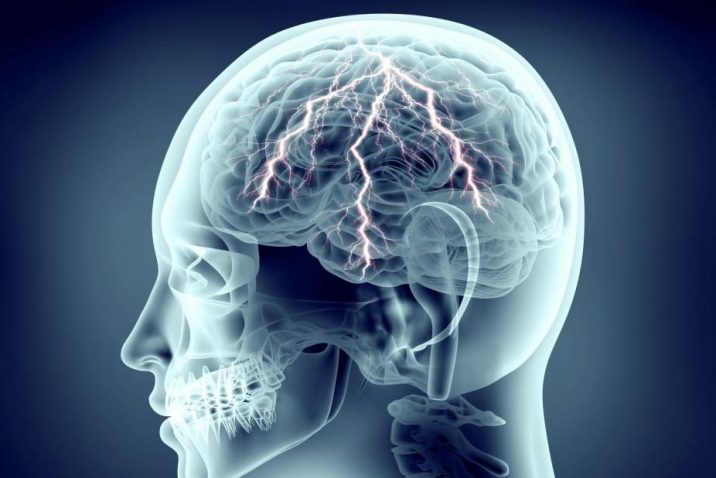
A seizure is a sudden "episode" caused by an electrical problem in the brain. With a seizure, a person has change in awareness, body movements, or sensation.Normal brain functions are impaired with a seizure.

First Aid for Splinters; Splinters are pieces of wood, glass, metal or other matter that get caught under the skin. Splinters tend to hurt if they are stuck deep under the skin. Those near the top of the skin are usually painless. Remove splinters...

Hyperventilation means breathing faster than normal. This causes too much carbon dioxide to be exhaled. As a result, levels of carbon dioxide in the blood and brain tissue drop. Symptoms include that your heart pounds, it feels like you can't get...

Electric shocks can result in: Slight shocking sensations, Muscle spasms, Seizures, Interrupted breathing, Irregular

Insects that sting include: Bumblebees, Honeybees, Hornets, Wasps, Yellow, jackets. If you've ever had an allergic reaction to an insect sting in the past, you should carry an emergency kit that has: Adrenalin (a medicine called epinephrine that...

First Aid for Shock ;Shock is an emergency condition. It can occur when the circulation system fails to send blood to all parts of the ...

You should never get sunburned. It is not healthy and leads to premature aging, wrinkling of the skin and skin cancer. Sunburn is caused by too much exposure to ultraviolet (UV) light. This can be from the sun, sunlamps or even from some workplace...

There are many causes of eye injuries. These include: Physical blow to the eye. Harsh chemicals like lye, bleach and acids can burn eye tissue and permanently damage the eyes. A grain of sand, fleck of paint, sliver of metal or splinter of wood can...

