
 David L. Hoffmann BSc Hons MNIMH
Equisetum arvense Equisetaceae Names: Shavegrass. Habitat: Common on wet ground and waste places. Collection: Take care to ensure the plants being picked are E.arvense or other common species, as some other specices are rare butlocally abundant...

Equisetum arvense Equisetaceae Names: Shavegrass. Habitat: Common on wet ground and waste places. Collection: Take care to ensure the plants being picked are E.arvense or other common species, as some other specices are rare butlocally abundant...

Allium sativum Liliaceae Habitat: Cultivated worldwide. Collection: The bulb with its numerous cloves should be unearthed when the leaves begin to wither in September. They should be stored in a cool dry place. Part Used: Bulb. Constituents:...

Hydrangea arborescens Saxifragaceae Names: Seven Barks, Wild Hydrangea Habitat: USA. Collection: The roots should be unearthed in the autumn. Clean and slice whilst still fresh as they become very hard on drying. Part Used: Dried roots and rhizome...

Zingiber officinale Part Used: The rootstock. Constituents: The whole complex of primary plant constituents and a characteristic array of secondary plant constituents are present. Pharmacologically important constituents include: Volative oil...

Hyssopus officinalis Labiatae Habitat: A common garden plant. Part Used: Dried aerial parts. Collection: The flowering tops of Hyssop should be collected in August and dried in the sun. Constituents: Terpenoids; including marrubiin, oleanolic and...

An abundance of research has been undertaken on this ancient plant, revealing a wide range of profound and important therapeutic effects. They can be grouped into cardiovascular, neurological and metabolic effects. Here we shall focus on the...

Panax spp. Habitat: Panax Ginseng is native to China and cultivated extensively in China, Korea, Japan and Russia.Panax quinquefolia is native to North America. Part Used: Root. Constituents: Saponin glycosides. These are referred to as the...
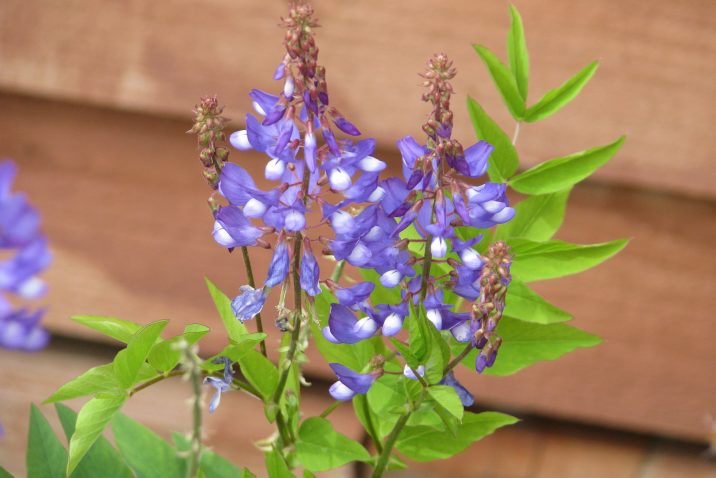
Galega officinalis Papilionaceae Names: French Lilac. Habitat: Grows wild in Europe, naturalized in Britain. Collection: The stalks with the leaves and flowers are gathered at the time of flowering, which is between July and August. Dry in the shade...

Solidago virgaurea Compositae Habitat: A common garden and wild plant in Britain and Europe. Collection: Gather stalks at the time of flowering, which is between July and October, preferably from plants not yet blooming. Dry in the shade or not...

Eupatorium purpureum Compositae Names: Gravelweed, Joe-Pye Weed, Queen of the Meadow. Do not confuse with Boneset: Eupatorium perfoliatum Habitat: USA Collection: The root and rhizome should be dug up in the autumn after the plant has stopped...

