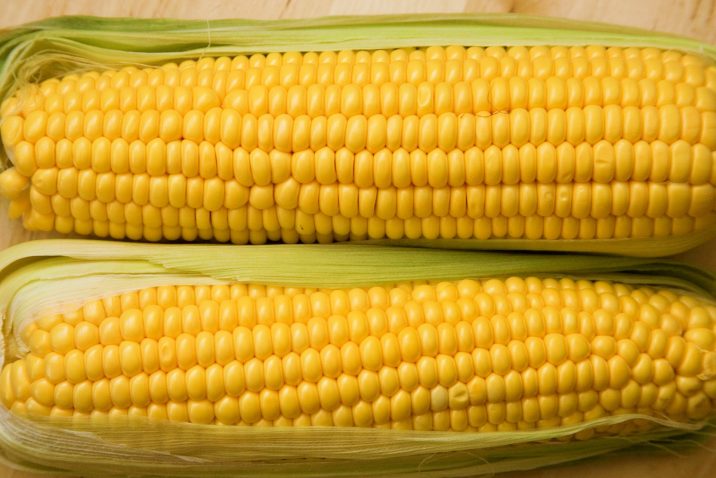
Corn (Zea Mays) is technically a grain, not vegetable. Corn is a member of the Poaceae (Grass) Family. The genus name, zea is from the Greek, meaning grain. The word corn throughout history has meant a grain sized lump. In England, corn means wheat...
After years of dietary advice from a range of different sources, American's know that food from the Earth, and not the factory, is what their families need to build a strong foundation. But still the food on many family forks does little to nourish...
Researchers may have discovered yet another benefit of breastfeeding for children. The association between breastfeeding and bed-wetting was investigated because both have a relationship to developmental progress in children. Breastfeeding has been...
The hysteria against fat has got out of control. In the US, Fat Free Food (F3) stores are springing up, with shelves lined with highly processed food containing virtually no fat. In the UK, too, m ...
Babies given formula milk are noticeably deficient in a particular fatty acid. ...
Although many doctors still don’t believe it, studies show that changing your diet can help alleviate arthritic symptoms (Lancet, 1986; i: 236-8).
Fish oils, which are rich in fatty acids, may help to prevent psoriasis and tumour growth. ...
A sometimes confusing array of abbreviations and names are used for the various essential fatty acids and related terms. The following is a quick guide to the omega-6 and omega-3 families of fatty acids.
Many of us could do with a major rethink of our daily dietary fat intake. For some, this will mean cutting back while, for others, it means reorganising our diets to eat more or different types of fats.
The world of dietary fats is a complicated alphabet soup of names and numbers, and our understanding of how each type of fat works in the body - for good or ill - is far from complete.

